
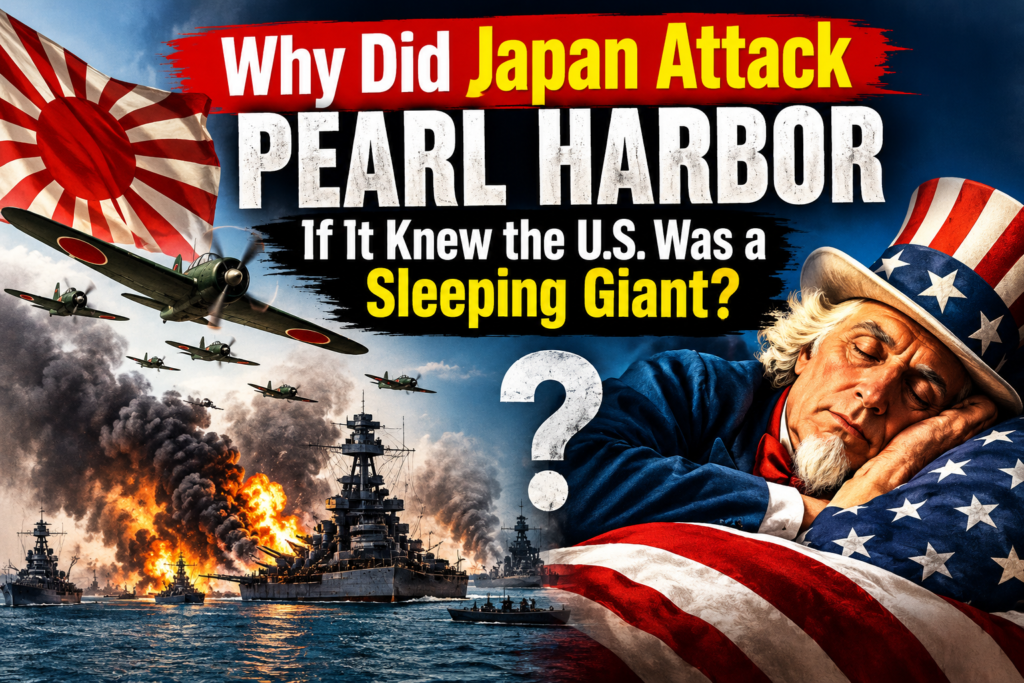
Japan Pearl Harbor sleeping giant: Why the Gamble Failed
Japan Pearl Harbor sleeping giant: Why the Gamble Failed Why Did Japan Attack Pearl Harbor If It Knew the U.S. […]

Japan Pearl Harbor sleeping giant: Why the Gamble Failed Why Did Japan Attack Pearl Harbor If It Knew the U.S. […]
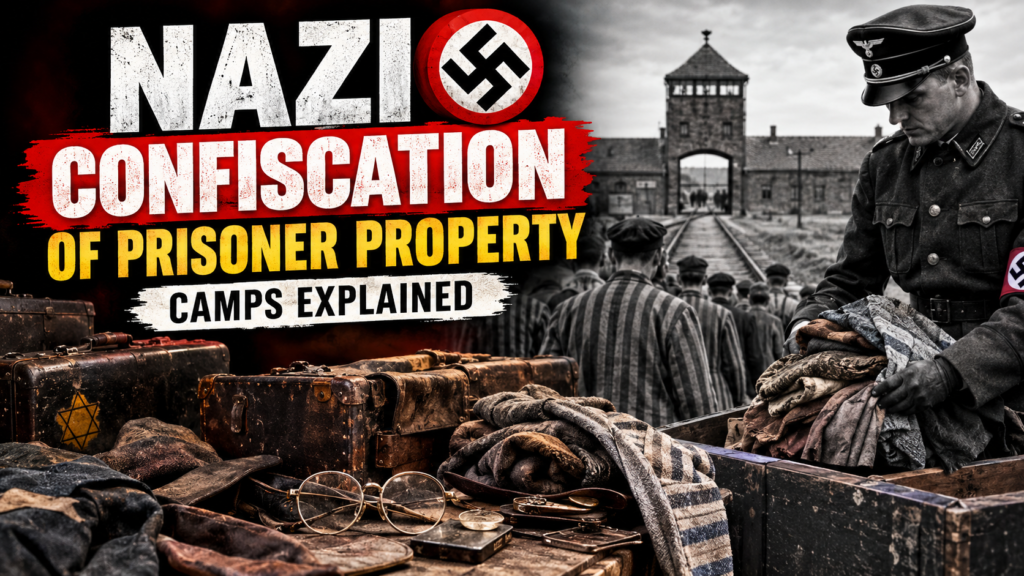
Nazi confiscation of prisoner property was systematic, not random. On arrival, prisoners were registered, disinfected, and stripped of civilian clothing, luggage, valuables, and documents, then issued camp clothing that remained camp property. Only narrow exceptions survived, such as spectacles, shoes, or a bowl, and those depended on the camp and the year. At Auschwitz-Birkenau, confiscated goods were sorted in the complex prisoners nicknamed ‘Kanada’ and forwarded to SS agencies, while guards and Kapos stole whatever remained. The puzzling phrase ‘snatch work’ most likely describes forced labor handling that stolen property rather than any permission for victims to keep belongings. After 1945, restitution programmes compensated a fraction of losses but almost never returned original objects, which is why recovery remains rare and documentation-dependent.