
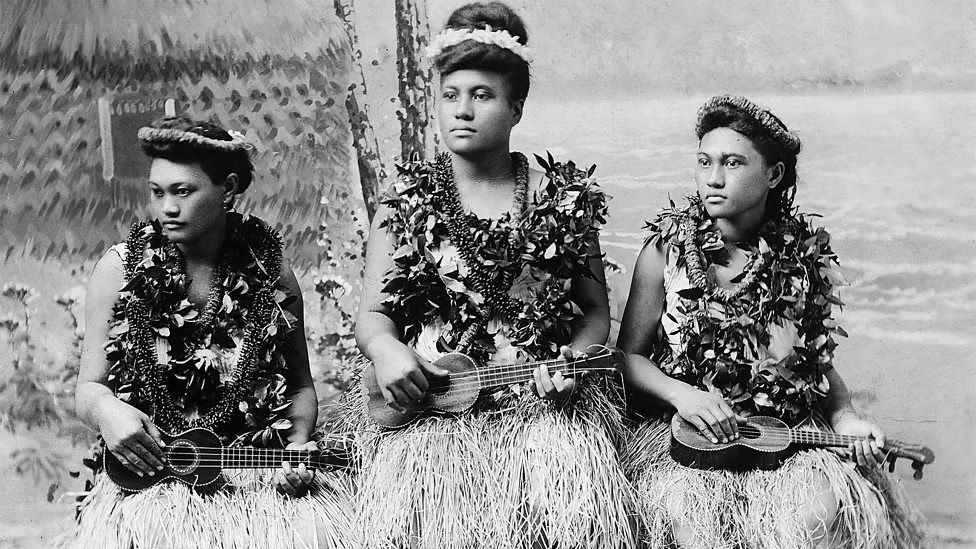
Imagine a small four-string instrument that sparks joy worldwide. The ukulele does just that. This tiny guitar relative started in Hawaii but now stars in concerts, classrooms, and campfires. Curious about its journey? This guide uncovers the ukulele’s origins, rise to fame, and lasting appeal. Whether you’re a beginner picker or history buff, dive in!
Humble Beginnings: Portuguese Roots (1870s)
The ukulele didn’t invent itself in Hawaii. Portuguese immigrants brought its ancestors to the islands in the late 1800s.
- In 1879, about 15,000 Madeirans sailed to Hawaii for sugar plantation work.
- They carried small instruments like the machete, cavaquinho, rajao, and braguinha— precursors to the ukulele.
These folks played lively folk tunes at arrivals. Hawaiians loved the sound. They adapted the braguinha into the ukulele around 1880.
Fun Fact: “Ukulele” means “jumping flea” in Hawaiian. Legend says it nods to player Edward Purvis, whose fingers “jumped” like fleas on strings.
Arrival in Hawaii: A Cultural Explosion
Hawaiians embraced the instrument fast. It fit their love for music and storytelling.
Key Early Makers and Innovators
Three men shaped the ukulele boom:
- Manuel Nunes: Built the first ukuleles in 1879. His designs set the standard.
- Jose do Espírito Santo: Crafted over 3,000 instruments by 1910.
- Augusto Dias: Pioneered mass production techniques.
By 1915, Honolulu hosted the Panama-Pacific Exposition. Performers like Jonah Kumalae showcased ukuleles. Crowds went wild—sales skyrocketed.
Hawaiian royalty boosted it too. King Kalakaua strummed one, calling it the “Hawaiian guitar.”
Musical Styles That Defined It
Ukulele fueled hapa haole (Hawaiian songs with English lyrics). Hits like “Aloha Oe” spread via records.
- Vaudeville tours took it to the U.S. mainland.
- By 1916, the Martin Guitar Company made their first ukulele models.
Roaring Twenties: Ukulele Mania in America
The 1920s marked peak popularity. Hollywood and radio stars made ukulele inescapable.
Famous Players Who Lit the Fire
- Johnny Marvin: “The Ukulele King” sold millions of records.
- Cliff Edwards (Ukulele Ike): Voiced Goofy in Disney films; his records topped charts.
- Arthur F. Wallis: Composed over 100 ukulele tunes.
Sales exploded. The Martin Company sold 50,000 ukuleles in 1921 alone.
Women loved it too. Flappers strummed in speakeasies, adding glamour.
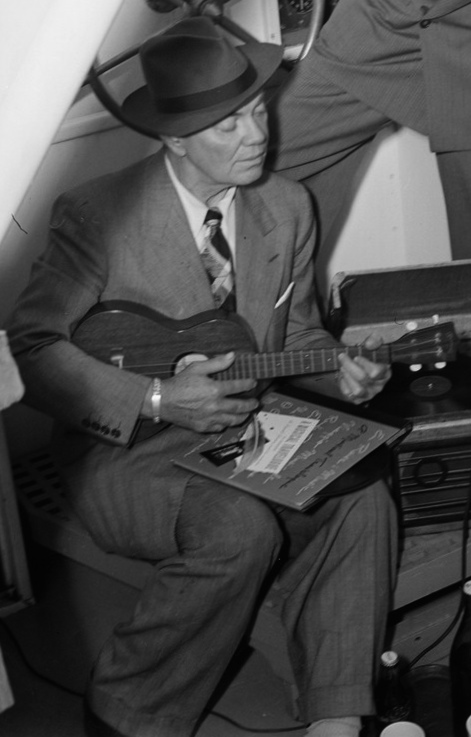
Golden Age and Hollywood Spotlight (1930s–1950s)
The Great Depression slowed things, but ukulele persisted.
- Arthur Godfrey’s TV show in the 1950s revived it. He taught millions live.
- Bands like the Sons of the Pioneers featured it in Western films.
Hawaiian music evolved with slack-key guitar pairings. Israel Kamakawiwo’ole later blended it into modern hits.
Decline and Quiet Years (1960s–1980s)
Rock ‘n’ roll overshadowed ukulele. Guitars dominated.
Yet, it survived in:
- Hawaiian classrooms (every student learns it).
- Folk circles and beach parties.
Jim Beloff’s 1992 “Jumpin’ Jim’s Ukulele Gems” book sparked revival.
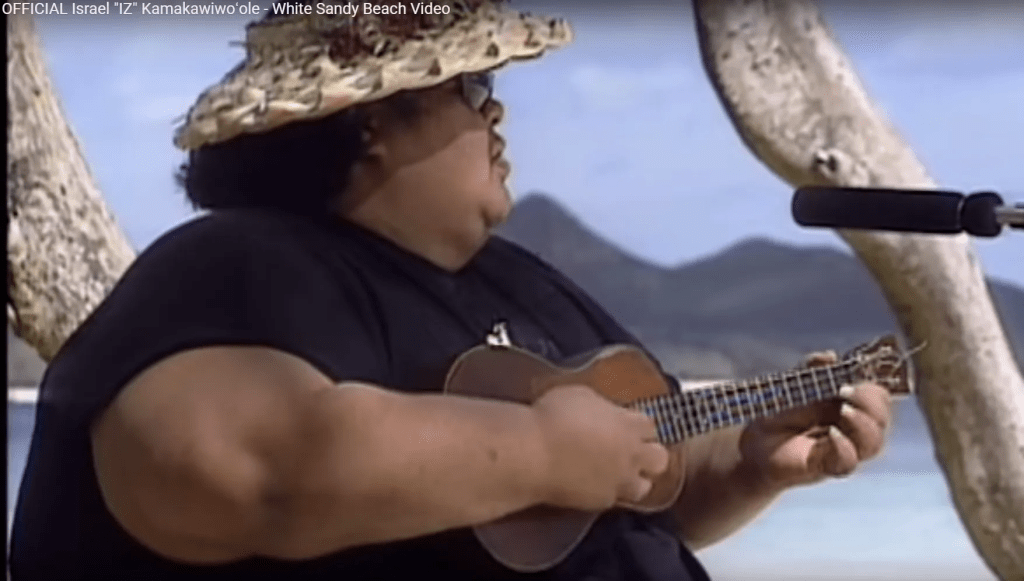
Modern Renaissance: Ukulele Goes Global (1990s–Today)
Today, ukulele thrives like never before. Sales hit millions yearly.
Why the Comeback?
- Jake Shimabukuro: Viral YouTube videos in 2006 stunned the world. His shredding redefined it.
- Eddie Vedder: Pearl Jam frontman used it on solo albums.
- Twenty One Pilots and Imagine Dragons: Pop acts mix it in hits.
Festivals like UK’suke Fest draw thousands. Apps and online lessons make learning easy.
Types and Innovations
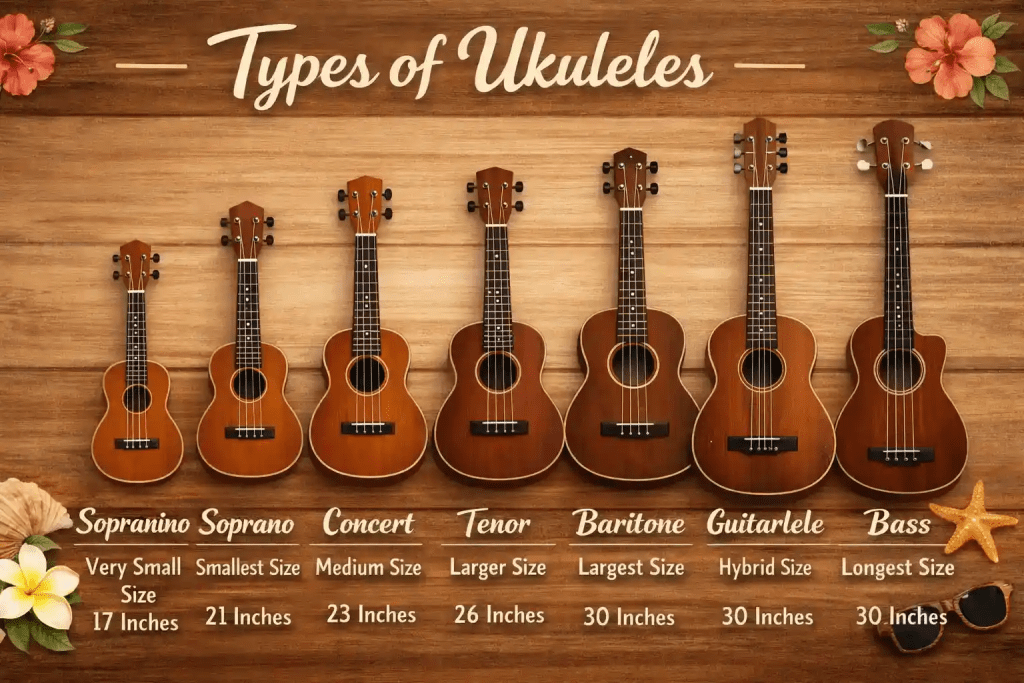
Ukuleles now come in sizes:
| Type | Size (inches) | Best For |
|---|---|---|
| Soprano | 21 | Traditional, bright tone |
| Concert | 23 | Balanced, louder |
| Tenor | 26 | Fingerstyle pros |
| Baritone | 30 | Guitar-like sound |
Electric and travel models expand options. Carbon fiber builds resist humidity.
Ukulele’s Cultural Impact Worldwide
Beyond music, ukulele builds community.
- Therapy uses it for stress relief and dementia care.
- Schools teach it for music education.
- In Japan, enyu (ukulele circles) unite seniors.
2026 trends? Smart ukuleles with apps for tuning and lessons. Sustainability drives bamboo models.

Conclusion: Why Ukulele Endures
The ukulele’s history proves resilience. From Portuguese ships to TikTok virals, it jumps fleas across generations. Its simple joy invites everyone—kids, pros, anyone. Grab one today. Strum a chord. Feel the magic that hooked Hawaii over a century ago.
Ready to play? Start with beginner instruments here.
FAQ
What is the origin of the ukulele?
Portuguese immigrants brought braguinha-like instruments to Hawaii in 1879. Locals adapted them into the ukulele.
Who invented the ukulele?
No single inventor. Manuel Nunes built the first in 1879, with help from Jose do Espírito Santo and Augusto Dias.
Why is it called “ukulele”?
It means “jumping flea” in Hawaiian, likely from a lively player’s finger style.
What are the main ukulele sizes?
Soprano (smallest, traditional), concert, tenor, and baritone (largest, guitar-like).
Is ukulele easy for beginners?
Yes! Four strings, simple chords, and affordable price make it perfect for starters.





![Modern bridge with embedded AI sensors and structural health monitoring data visualization [conversation_history]](https://historysprout.com/wp-content/uploads/2026/01/unnamed-2026-01-21T201734.882.webp)


Leave a Reply