
Do Russian warships outgun American ones? At first glance, yes. Russian destroyers like the Udaloy-class boast twin 130mm cannons that unleash a barrage of shells—far more weight per minute than the single 5-inch gun on a US Arleigh Burke destroyer. Both ships displace around 8,000 tons, so what’s the catch?
This firepower illusion hides deeper naval strategy differences. Russia prioritizes guns for coastal defense and saturation attacks. The US Navy focuses on long-range missiles, stealth, and global power projection. We’ll break it down simply.
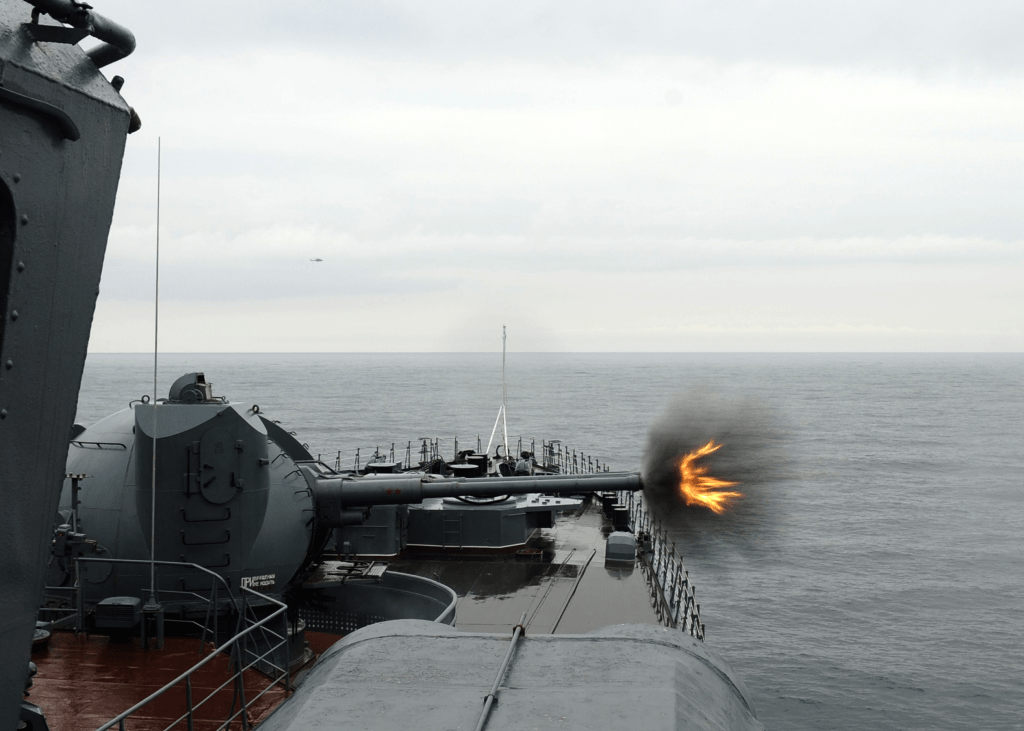
Russian Naval Firepower: Guns That Dominate Close Range
Russian destroyers emphasize gun-based firepower. Take the Udaloy-class (Project 1155), displacing 8,000-10,000 tons.
- Twin 130mm AK-130 guns: Each fires 30-40 rounds per minute. Together, they hurl over 60 shells/minute. A 130mm shell weighs ~30kg, delivering ~1,800kg of explosives per minute.
- High rate suits anti-surface and shore bombardment.
- Soviet-era design prioritizes volume of fire to overwhelm targets.
Compare to older Sovremenny-class: Even more guns, plus anti-ship missiles.
Russia builds for near-peer threats in confined waters like the Black Sea. Guns excel here—no need for long-range strikes.
US Arleigh Burke Destroyers: Missiles Over Guns
Arleigh Burke-class (DDG-51) destroyers displace ~9,000 tons—similar to Udaloy. Yet, they carry one 5-inch (127mm) Mark 45 gun.
- Fires 16-20 rounds/minute. Shell weighs ~24kg, so ~400-500kg/minute.
- That’s 3-4x less shell weight than Russian twins.
- Burkes prioritize 96 VLS cells for missiles like Tomahawk (1,500km range), SM-6 (370km air defense), Harpoon/ASROC anti-sub/ship.
Why one gun? US doctrine favors stand-off weapons. Strike from afar, avoid risk.
Burkes evolved post-Cold War for blue-water ops—global chokepoints like Malacca Strait.
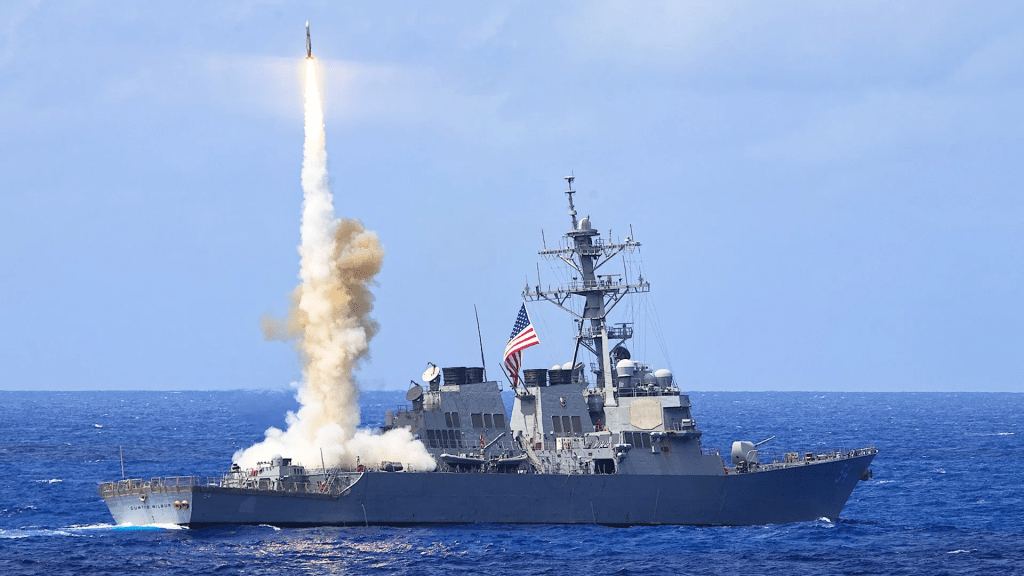
The Firepower Numbers: A Direct Comparison
Let’s crunch the stats. Assume full-auto rates.
| Feature | Russian Udaloy (Twin 130mm) | US Arleigh Burke (Single 127mm) |
|---|---|---|
| Shell Weight per Minute | ~1,800-2,400kg | ~384-480kg |
| Rate of Fire (per gun) | 30-40 rpm | 16-20 rpm |
| Effective Range | 22-30km | 24km |
| Primary Role | Saturation bombardment | Precision support |
| Total Guns | 2 | 1 |
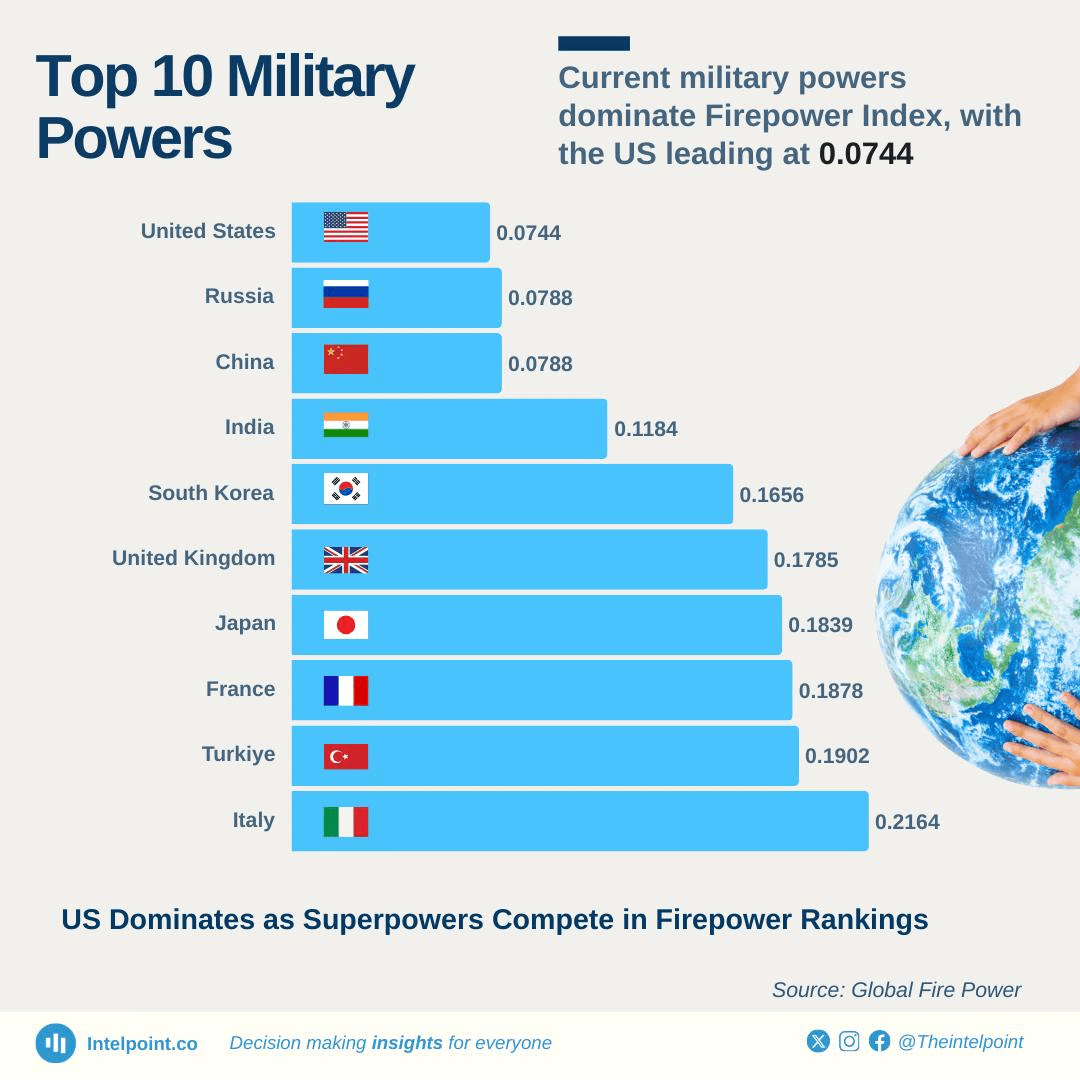
Russian guns win on raw output. But Burkes carry 100+ missiles—equivalent to thousands of shells in explosive power, delivered precisely.
Catch #1: Range and Guidance. Guns need line-of-sight. Missiles fly 100x farther with GPS/inertial guidance. A Burke sinks a target 300km away before Russia spots it.
Strategic Doctrines: Why Russia Loves Guns
Russia’s navy faces geographic limits. Vast land borders, short coastlines (Baltic, Black Sea, Pacific).
- Guns suit littoral warfare—hit land targets fast.
- High fire rate counters swarms (drones, boats).
- Cheaper than missiles; Russia produces shells abundantly.
Historical roots: Soviet focus on massed artillery from WWII. Modern Project 22350 frigates keep 130mm guns.
US Navy? Expeditionary force. 70% of fleet deploys worldwide. Guns wasteful for trans-Pacific ops.
Stealth and Survivability: The Hidden Edge
Burkes integrate stealth tech.
- Radar cross-section (RCS) like a fishing boat.
- Sloped surfaces deflect radar.
- Reduces detection by 10x vs Russian ships.
Udaloy? Conventional hull—easy target for satellites, Aegis radars.
Catch #2: Detection. Heavy guns add top-weight, worsening stability and signature. Burkes evade first, strike second.
Real-world proof: 2022 Ukraine war. Russian Black Sea Fleet lost Moskva cruiser to Neptune missiles—guns useless at 100km.
Sensor and Missile Supremacy
Burkes shine in integrated warfare.
- Aegis Combat System: Tracks 100+ targets, guides missiles simultaneously.
- AN/SPY-1 radar sees 500km.
- Cooperative Engagement Capability (CEC) shares data fleet-wide.
Russian systems lag—Kashin radars, less automation.
Catch #3: Electronics. Guns need fire control radars. Burkes’ suite prioritizes missiles, leaving guns secondary.
Cost and Sustainability: Guns Are Cheap, Missiles Win Long Wars
Building guns costs less.
- AK-130: ~$10-20M per pair.
- Mark 45: Similar, but Burkes allocate to VLS ($2M/cell).
Ammo matters:
- Shells: $5,000 each, unlimited production.
- Tomahawk: $2M each, precision kills carriers.
Catch #4: Logistics. US has 300k+ missiles stockpiled. Russia? Sanctions limit high-tech ammo.
In prolonged conflict, Burkes sustain strikes. Russia burns shells fast.
Modern Evolutions: Closing the Gap?
Russia upgrades:
- Admiral Gorshkov frigates: 130mm gun + hypersonic Zircon missiles.
- Leader-class destroyers: More VLS, but guns remain.
US responds:
- Flight III Burkes: Enhanced radar, lasers.
- Constellation-class frigates: Dual guns? No—still missile-heavy.
Future? Drones, hypersonics blur lines. Guns fade for railguns/lasers.
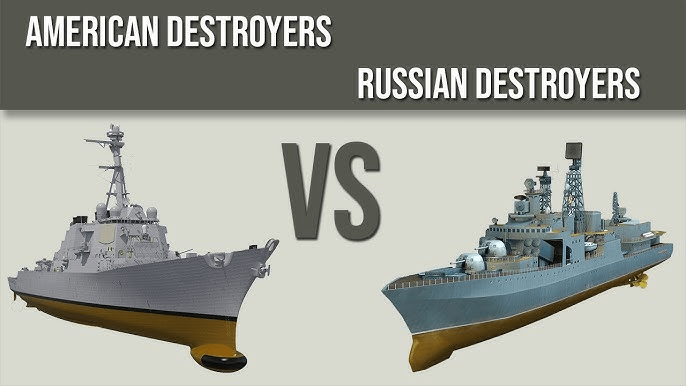
The Real Catch: Different Missions
Russian ships look “better armed” if you count guns. But navies serve missions.
- Russia: Regional denial—keep enemies close.
- US: Global reach—project power anywhere.
Burkes win at sea control. Udaloy excels in chokepoints.
Example: RIMPAC exercises. US integrates seamlessly; Russians train solo.
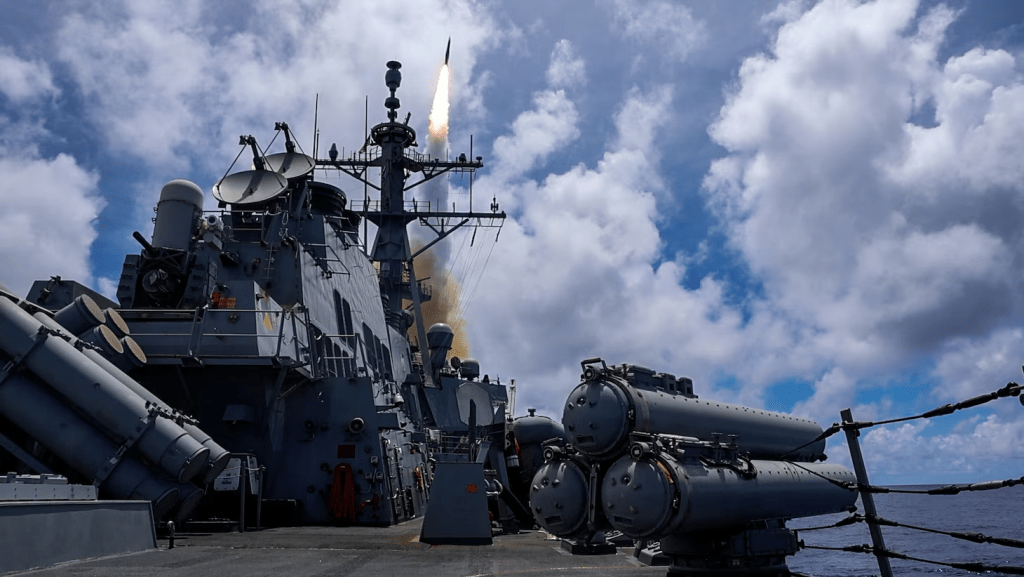
Conclusion: Firepower Is Just One Piece
Russian destroyers pack impressive gun punch—twin 130mm cannons dwarf Burke’s output. The catch? US warships trade shells for stealth, missiles, sensors, and endurance. In modern naval warfare, precision beats barrage.
Next time you see spec sheets, look beyond displacement. Strategy wins wars.
Explore more on historysprout.com for naval insights and AI-driven analysis.
FAQ
Why do Russian ships have more guns than US destroyers?
Russia focuses on high-volume fire for coastal defense, while US prioritizes long-range missiles for global ops.
Are Russian 130mm guns really 10x better than Burke’s 5-inch?
No—shell weight per minute is 3-5x higher, not 10x. Missiles give Burkes far greater total firepower.
Can US Navy add more guns to Arleigh Burkes?
Technically yes, but it sacrifices VLS cells, stealth, and stability. Doctrine doesn’t support it.
What’s the future of guns in naval warfare?
Declining—lasers, hypersonics, and drones replace them for both navies.
How do sanctions affect Russian warships?
They limit advanced missiles/sensors, forcing reliance on guns and basic ammo.












Leave a Reply