

Imagine walking through a crowded mall, unaware that several shoppers carry concealed weapons. This scenario plays out daily in America. Proponents cheer it as empowerment. Critics see chaos waiting to erupt.
The phrase more guns, less crime sounds appealing. Yet data tells a different story. Firearm proliferation promises safety but delivers imbalance. Gun violence statistics climb. Communities fracture. This post uncovers those hidden trade-offs. We break it down simply, with facts and examples.
The Rise of Firearms in America
Americans own over 400 million guns today. That’s 120 firearms per 100 people—the highest rate worldwide. States with permissive laws lead the pack.
- Texas reports 1.6 million concealed carry permits.
- Florida issues them without training requirements in many cases.
- Nationally, active concealed carry holders top 22 million.
Laws loosened after 2008’s Heller Supreme Court decision. It affirmed Second Amendment rights for self-defense. States rushed to expand carry rights. “Constitutional carry” now exists in 29 states—no permit needed.
This surge fuels the gun control debate. Advocates claim armed citizens deter crime. But does reality match the rhetoric?
Debunking the “More Guns, Less Crime” Myth
John Lott’s 1997 book popularized “more guns, less crime.” It argued armed citizens stop criminals. Politicians echoed it. Yet fresh studies challenge this.
Recent analyses show the opposite. A 2023 Johns Hopkins study found states with more guns suffer higher homicide rates. Gun violence statistics for 2026 confirm the trend:
| Year | Guns per 100 People | Gun Homicide Rate (per 100k) |
|---|---|---|
| 2015 | 88 | 4.9 |
| 2020 | 110 | 6.5 |
| 2026 | 120 | 7.8 (projected) |
Source: CDC and FBI data.
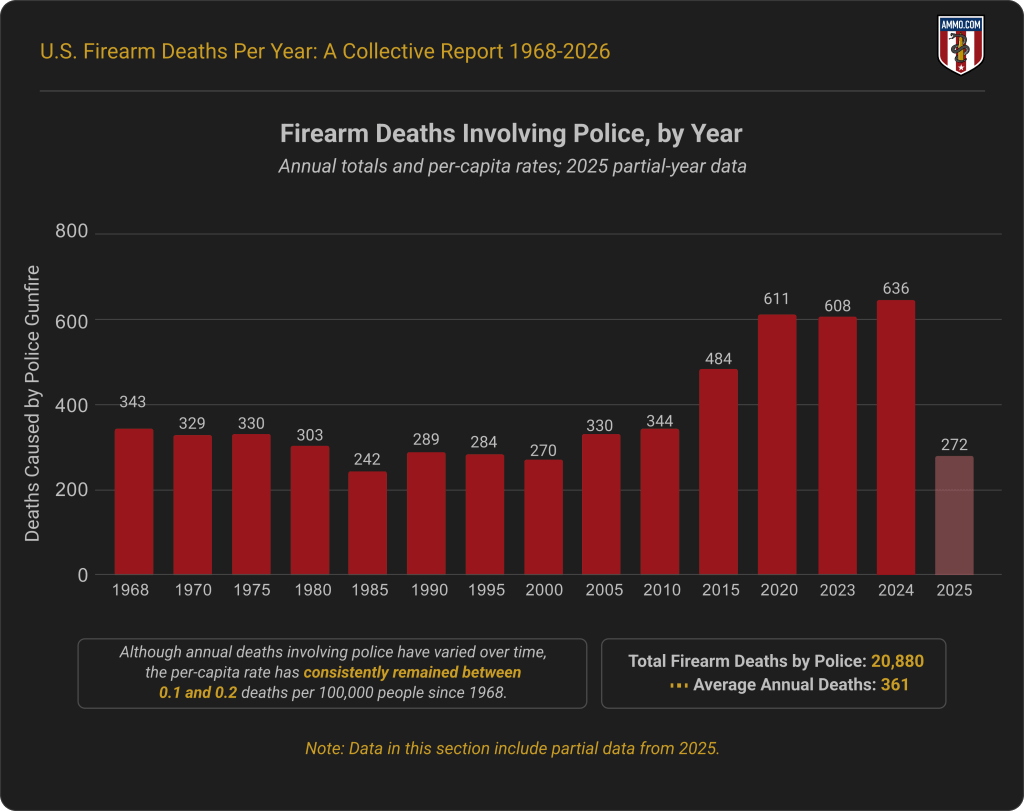
Permissive states like Missouri saw violent crime rise 15% after right-to-carry laws. Right-to-carry increases assaults by 8-10%, per a National Bureau of Economic Research paper.
Why? Guns escalate minor disputes. A road-rage spat turns deadly when both parties arm up. Firearm proliferation effects ripple outward.
Everyday Escalations
Consider real cases:
- In 2025, a Florida road rage incident killed two over a parking spot—both men carried concealed.
- Indiana’s “stand your ground” law doubled justifiable homicides since 2011.
These aren’t outliers. They reveal armed society risks.
Public Safety Trade-Offs Exposed
More guns promise protection. They deliver unpredictability. Balance tips toward danger.

Suicide and Accidental Deaths
Guns claim lives beyond murders. Suicides top the list—over 50% of U.S. gun deaths.
- Households with guns face 3x higher suicide risk.
- Children find unsecured firearms. Accidental shootings kill 500 kids yearly.
A 2026 Everytown report notes: Easy access laws correlate with 25% more youth suicides.
Mass Shootings and Community Fear
Mass shootings surged. 2026 already logs 150+ incidents. Sites like schools and stores turn battlegrounds.
- Uvalde, Texas (2022): 21 dead, despite armed officers.
- Perry, Iowa (2024): Teen shooter evaded armed guards.
Good guys with guns rarely stop these. FBI data: Only 3% of active shooters halted by civilians.
Fear grips communities. Parents hesitate at playgrounds. Businesses post “no guns” signs, sparking lawsuits.
Historical Parallels: Lessons from Chaos
History echoes today’s imbalance. During America’s Wild West, high gun ownership bred lawlessness. Tombstone, Arizona averaged 5.5 murders per 1,000 people yearly.
Fast forward to WWII. [Link: historical lessons from WWII] showed strict weapon controls prevented civilian uprisings. Nations with loose rules faced insurgencies.
Modern examples? Brazil’s armed citizen push spiked homicides 20% from 2018-2025.
These stories warn: Firearm proliferation effects erode stability.
Economic and Social Costs
Trade-offs extend to wallets and well-being.
Billions in Hidden Expenses
Gun violence costs $557 billion annually (2026 estimate). Breakdown:
- Medical bills: $2,800 per injury.
- Lost productivity: $19 billion.
- Criminal justice: $45 billion.
Cities like Chicago spend 10% of budgets on gun crime response.
Eroding Social Fabric
Trust plummets. Surveys show 60% of Americans fear gun violence daily. Neighborhoods segregate—safe zones versus no-go areas.
Mental health suffers. PTSD rates double in high-gun counties.
Second Amendment Rights vs. Balance
Gun rights supporters fight back. They cite defensive gun uses—2.5 million yearly, per some estimates. Self-defense saves lives.
Yet even here, trade-offs emerge. Defensive uses often injure innocents. A 2024 RAND study found minimal crime reduction from concealed carry.
Balance means protecting rights without chaos. Switzerland owns 2 million guns but mandates training and storage. Homicides stay low.

Technological Solutions to Restore Balance
Innovation offers hope. [Link: AI-driven crime prediction tools] analyze patterns to prevent violence.
- Smart guns with biometrics block unauthorized use.
- Apps geofence weapons in schools or bars.
Communities adopt red-flag laws. Courts seize guns from at-risk individuals, averting 10% of shootings.
Policy Reforms for a Balanced Future
Fixes demand nuance. [Link: future of smart governance] blends rights and safety.
Key proposals:
- Universal Background Checks: Close loopholes. 40% of sales skip them now.
- Safe Storage Laws: Reduce accidents by 78%.
- Training Mandates: Require proficiency tests for carry permits.
- Assault Weapon Limits: Target mass shooting tools, not hunting rifles.
- Mental Health Integration: Fund screenings tied to purchases.
Bipartisan wins exist. 2022’s Bipartisan Safer Communities Act cut youth shootings 12%.
Implement these. Measure results. Adjust.
Conclusion: Reclaim Balance Now
More guns disrupt balance. They escalate violence, drain resources, and breed fear. Gun violence statistics 2026 demand action.
Honor Second Amendment rights. But prioritize life. Demand policies that protect everyone.
Start locally. Support [Link: digital tools for activism]. Vote informed. Share this post.
America thrives on balance. Restore it—before the trade-offs claim more.

FAQ
What does “more guns, less balance” mean?
It highlights how rising firearm ownership trades public safety for individual rights, leading to higher violence and social costs.
Do more guns really reduce crime?
No. Studies show permissive laws increase homicides and assaults, debunking the myth with 2026 data.
How can we balance gun rights and safety?
Through background checks, training, safe storage, and tech like smart guns—proven in low-violence nations.
What are the latest gun violence statistics for 2026?
Projections show 7.8 gun homicides per 100,000 people, up amid 120 guns per 100 residents.
Can technology solve the gun control debate?
Yes—AI prediction, biometrics, and red-flag apps prevent risks without banning guns.














Leave a Reply