
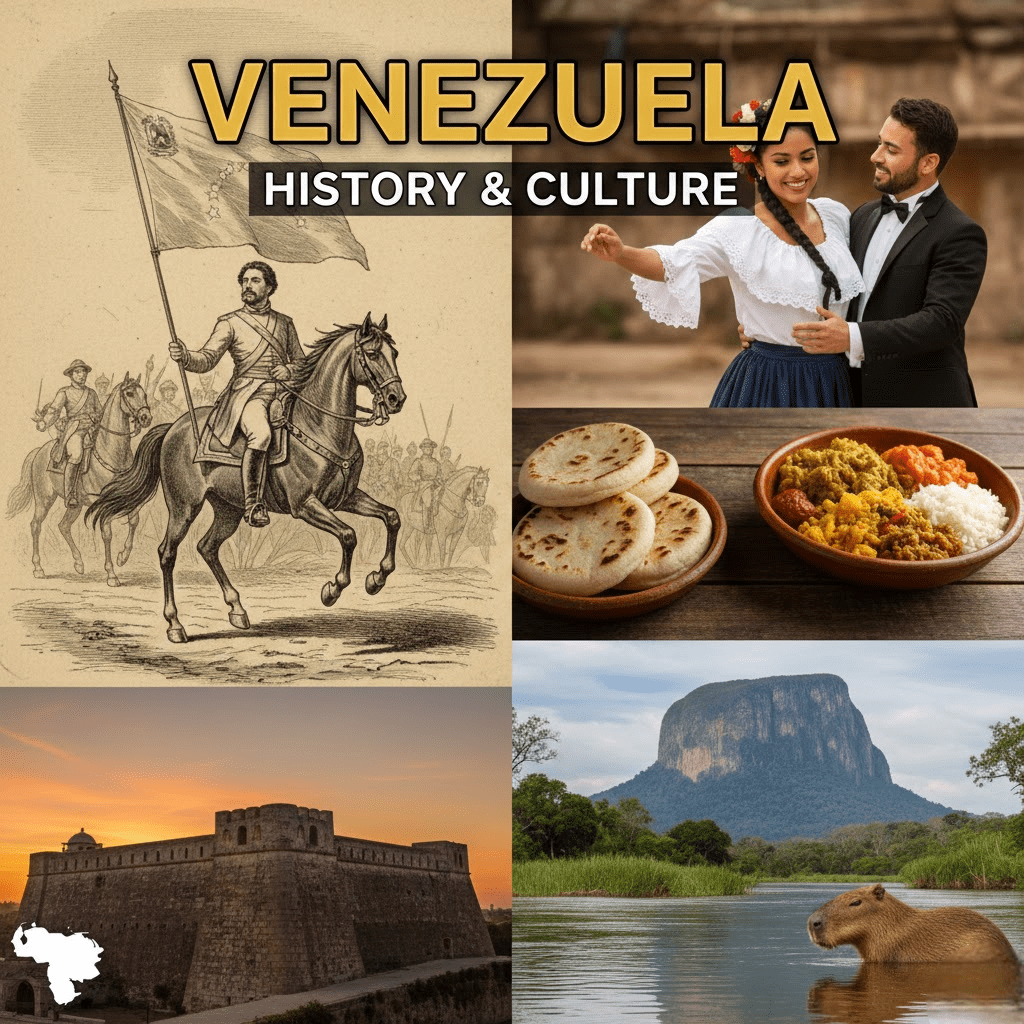
Venezuela is a country of striking contrasts—where ancient civilizations, colonial legacies, and modern influences blend into a unique cultural identity. From the rhythms of traditional music to the stories of independence and resilience, Venezuela’s history and culture offer a fascinating journey through South America’s past and present.
Introduction
Venezuela’s history and culture reflect centuries of transformation shaped by indigenous roots, European colonization, African influences, and modern global connections. Located on the northern coast of South America, Venezuela is known not only for its natural beauty but also for its rich cultural heritage and historical significance.
A Brief History of Venezuela
Indigenous Civilizations Before Colonization
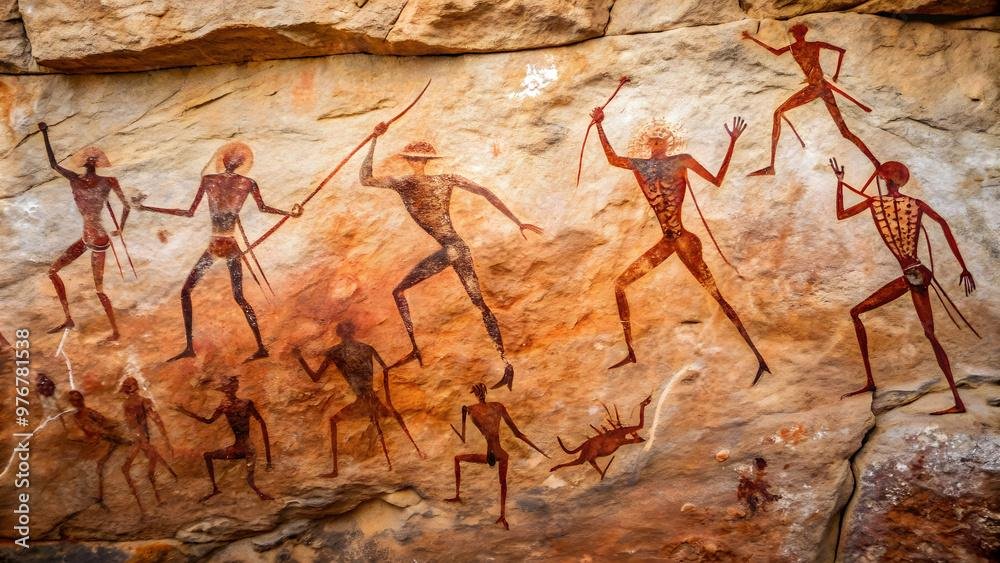
Before Spanish arrival, Venezuela was home to diverse indigenous groups such as the Caribs, Arawaks, and Timoto-Cuicas. These communities practiced agriculture, pottery, fishing, and trade.
Spanish Colonization and European Influence
Christopher Columbus reached Venezuela’s coast in 1498. Spanish colonization introduced Christianity, the Spanish language, and new social structures, deeply influencing Venezuelan society.
Independence and the Role of Simón Bolívar
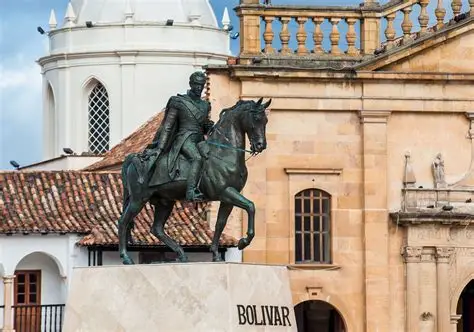
Venezuela gained independence from Spain in 1821, led by national hero Simón Bolívar, who also played a key role in liberating several South American nations.
Modern Venezuela
In the 20th century, oil discovery transformed Venezuela’s economy and global importance. Despite political and economic challenges, Venezuelans continue to preserve their cultural identity and traditions.
Venezuelan Culture and Traditions
Language and Religion
- Official Language: Spanish
- Religion: Predominantly Roman Catholic, with growing Protestant and indigenous spiritual practices
Music and Dance
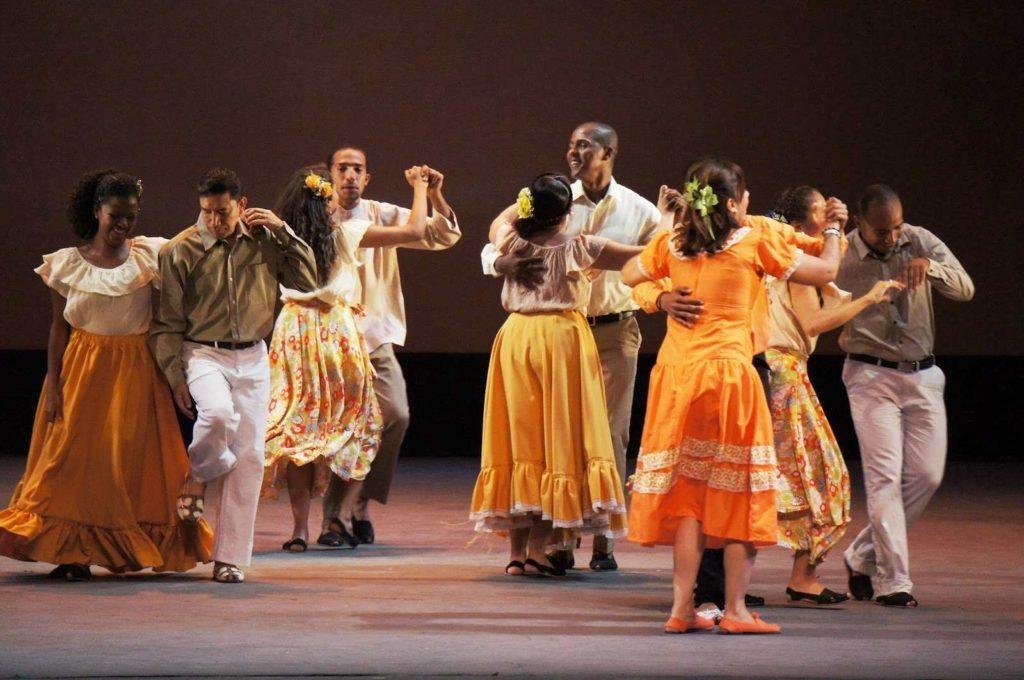
Venezuelan culture is deeply rooted in music and dance. Popular styles include:
- Joropo (national dance)
- Salsa
- Merengue
- Gaita (especially during Christmas)
Festivals and Celebrations
Key cultural celebrations include:
- Carnival
- Christmas (Navidad)
- Fiesta de San Juan
- Semana Santa (Holy Week)
These festivals combine religious devotion, music, dance, and community gatherings.
Venezuelan Food Culture
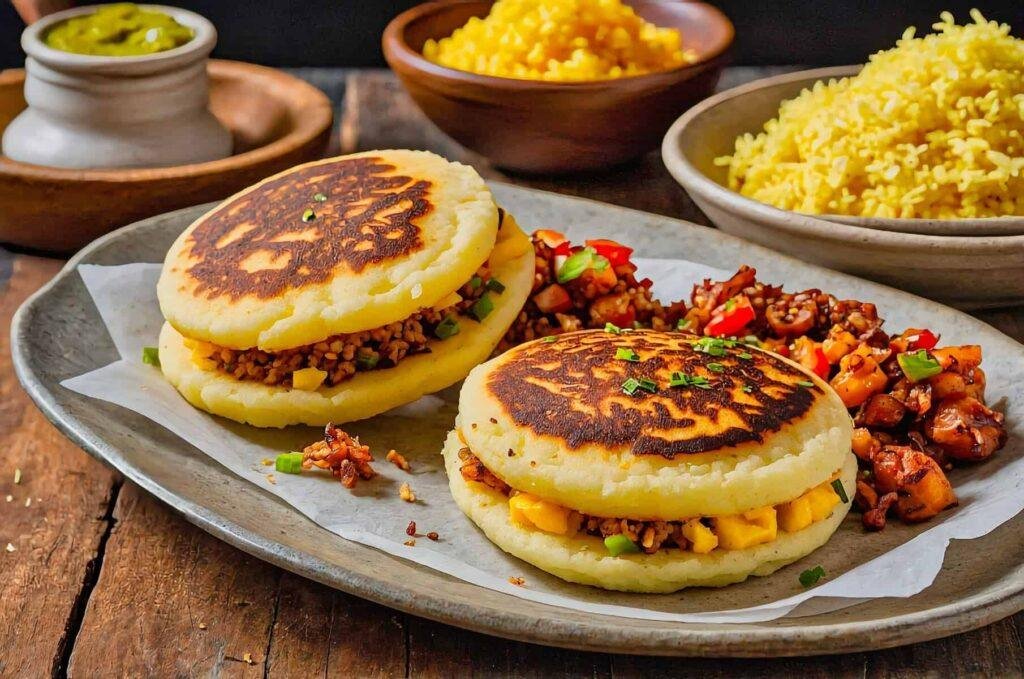
Food plays a central role in Venezuelan daily life. Some iconic dishes include:
- Arepas (cornmeal bread)
- Pabellón Criollo (national dish)
- Hallacas (traditional Christmas food)
- Empanadas
Art, Literature, and Identity
Venezuela has produced influential artists, writers, and intellectuals who reflect social realities, folklore, and national pride. Murals, poetry, and modern digital art continue to shape cultural expression.
Venezuela’s Cultural Influence in Latin America
Venezuela has contributed significantly to Latin American music, political thought, cuisine, and sports. Its diaspora has also spread Venezuelan culture across the globe.
Why Venezuela’s History and Culture Matter
Understanding Venezuela’s history and culture provides insight into the resilience, creativity, and identity of its people. It highlights how tradition and modern life coexist despite challenges.
Internal Link Suggestions (for ThinkAIWorld.com)
- /blog/ – Related cultural and history blogs
- /ai-and-culture/ – How AI helps preserve cultural heritage
- /latin-america-insights/ – Regional history and cultural analysis
- /education/ – Learning resources on world history
Final Thoughts
Venezuela’s history and culture are a powerful blend of ancient traditions and modern influences. From its indigenous origins to its vibrant festivals and cuisine, Venezuela remains a vital part of South America’s cultural landscape.


Leave a Reply